GARLIC RHAPSODY WIGHT
Image of • Use ← or → arrows to browse
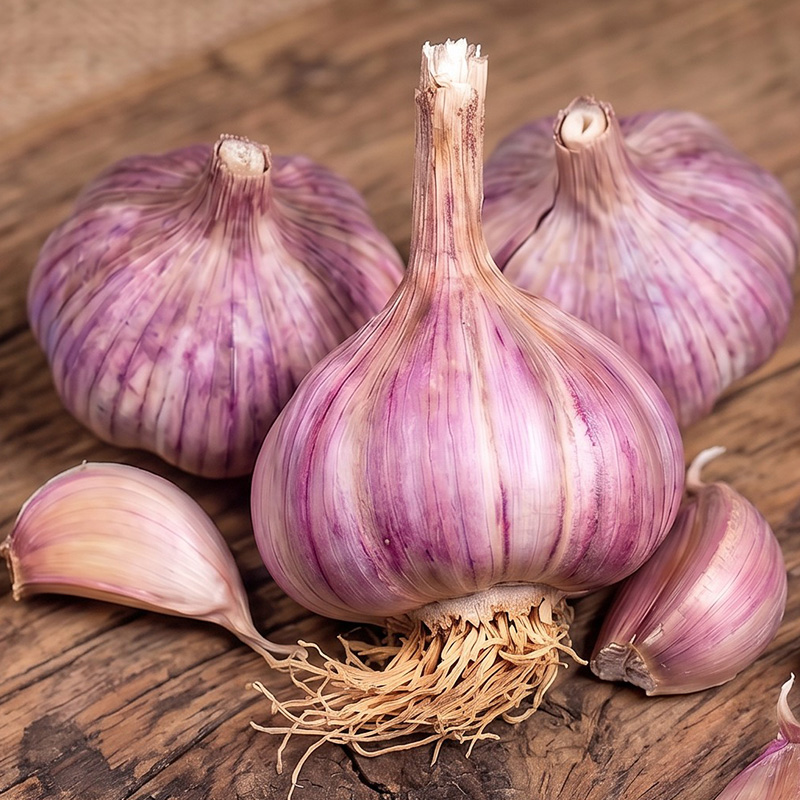
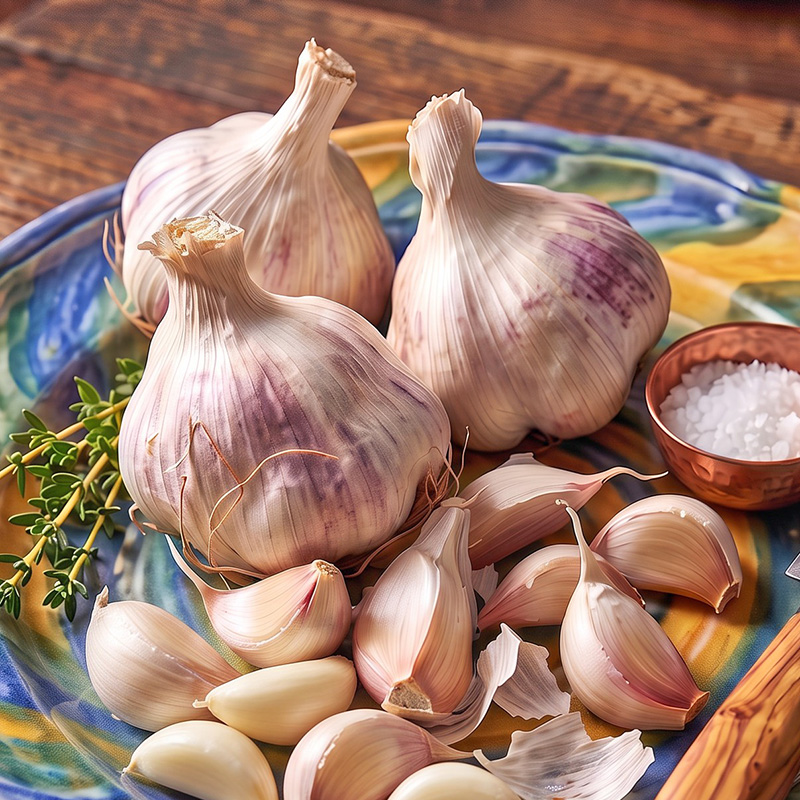
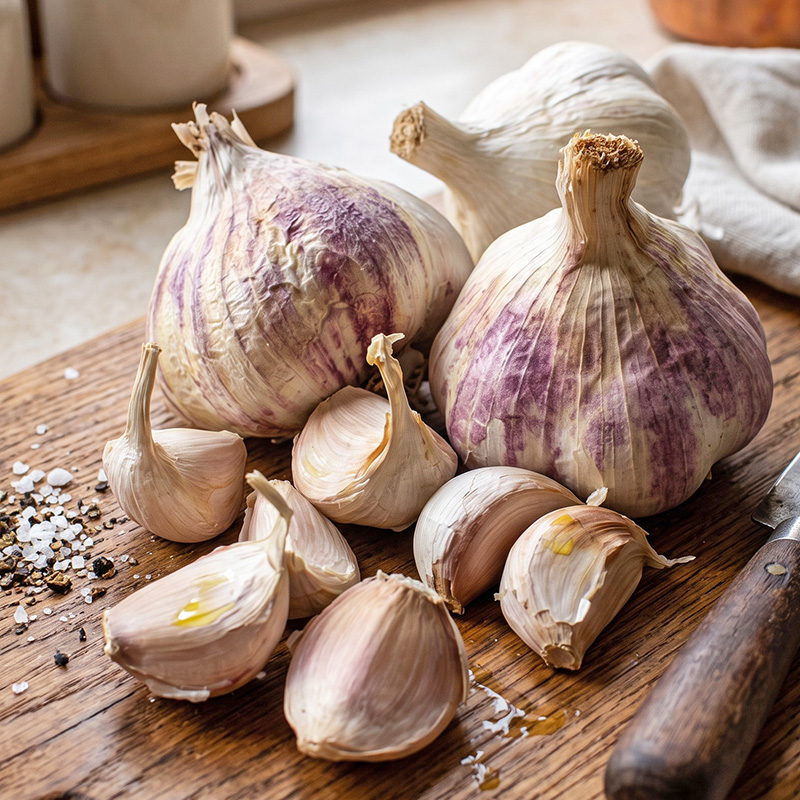
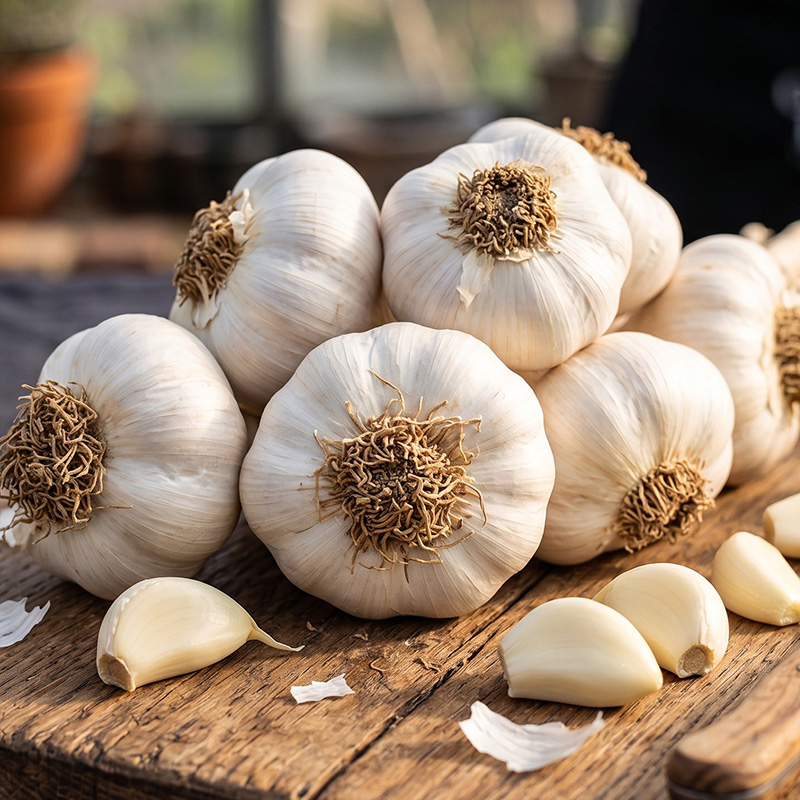
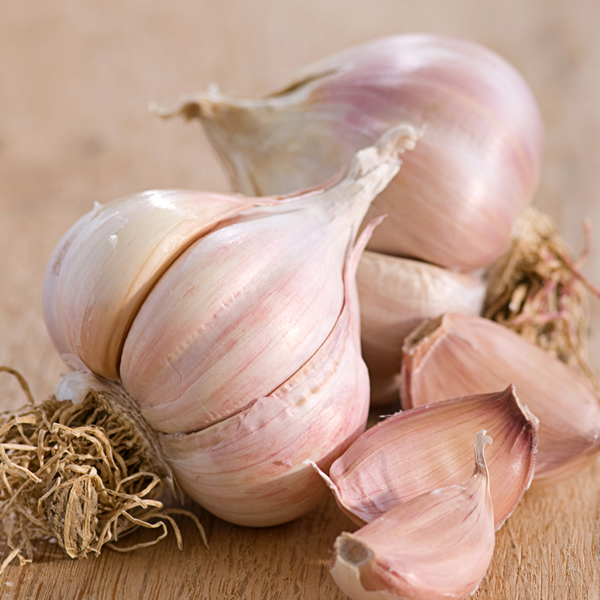
Rhapsody White is a broad leaved, early forming garlic that produces a generous, artichoke type bulb long before most varieties are ready to lift. As an artichoke type, Rhapsody Wight forms plump, globe shaped bulbs with neat, creamy cloves arranged in tidy layers.
It bulks up noticeably earlier than others in its group, carries particularly wide, vigorous foliage, and reliably offers 10–12 cloves per bulb. Where many artichoke Garlic reach 45–60 mm, Rhapsody’s 50–70 mm bulbs place it at the more generous end, with a mild, fresh flavour ideal for early season use.
Its flexible planting window — September to January — makes it especially helpful for amateur growers. Harvesting as early as May–June, Rhapsody Wight is perfect for gardeners who relish the first taste of new season garlic.
Softneck Type
GARLIC BULBS ARE AVAILABLE TO UK CUSTOMERS DELIVERY FROM LATE OCT EARLY NOV
How to Grow Garlic
Garlic is easy to grow in vegetable beds or containers and requires little more than free draining soil, a sunny position and to be kept well watered.
Garlic is best planted between November and March although you will generally get a bigger crop from an autumn planting. Break up the garlic bulb no longer than 24 hours before planting taking care not to bruise or damage the cloves.
Plant each clove 3 to 4cm below the surface of the soil, blunt root end down and pointy end up, allowing 6 inches of space between cloves.
Garlic can be successfully grown in pots. Plant 3 cloves to a 6 inch pot, 6 cloves to an 8 inch pot and 8 to 10 cloves to a 10 inch pot. Use pots that have at least 6 inches depth below the planted cloves to allow adequate space for the roots.
In colder areas or where the soil is particularly heavy plant the cloves into module trays during the winter. Garlic needs a cold period to grow successfully so place the tray in a sheltered position outdoors and transplant into the final position in the spring once the cloves have sprouted.
Birds can be tempted to pull newly planted garlic out of the ground so it is a good idea to cover the area with netting until the cloves are growing and established.
Keep your growing garlic weed-free and well watered, especially during dry periods throughout the growing season, but stopping watering during the last few weeks before harvesting.
Garlic will tell you when it is time to harvest. Pulled too early you'll miss the final growth spurt of the bulb and left in the ground too long the bulbs will rot.
Hardneck varieties are ready to lift when the lower leaves start to fade from green to yellow and brown, typically from late May to the end of July depending on variety. Hardneck garlic varieties produce a hard flowering spike, the cloves form around a central stem. The flower stem or 'scape' can be removed and used in salads and stir fries. The bulbs produced by hardneck garlic varieties don't store as well as softnecks
Softnecks garlic varieties are ready to lift when the lower leaves start to yellow the garlic goes weak at the knees, the leaves fold over and begin to lie on the ground, typically from late May to the end of August depending on variety. Softneck garlic varieties produce a softer stem with no flowering spike and typically produce more cloves to a bulb, bunched together in tight circles. Softneck garlic will store for much longer than the hardneck varieties.
Elephant Garlic is a hardneck type that can be planted in both spring and autumn and produces giant bulbs.
Lay the freshly harvested garlic out somewhere warm and dry to allow any soil to dry and be gently brushed off before storing the bulbs.