CITRUS SORREL BABY LEAVES
Image of • Use ← or → arrows to browse
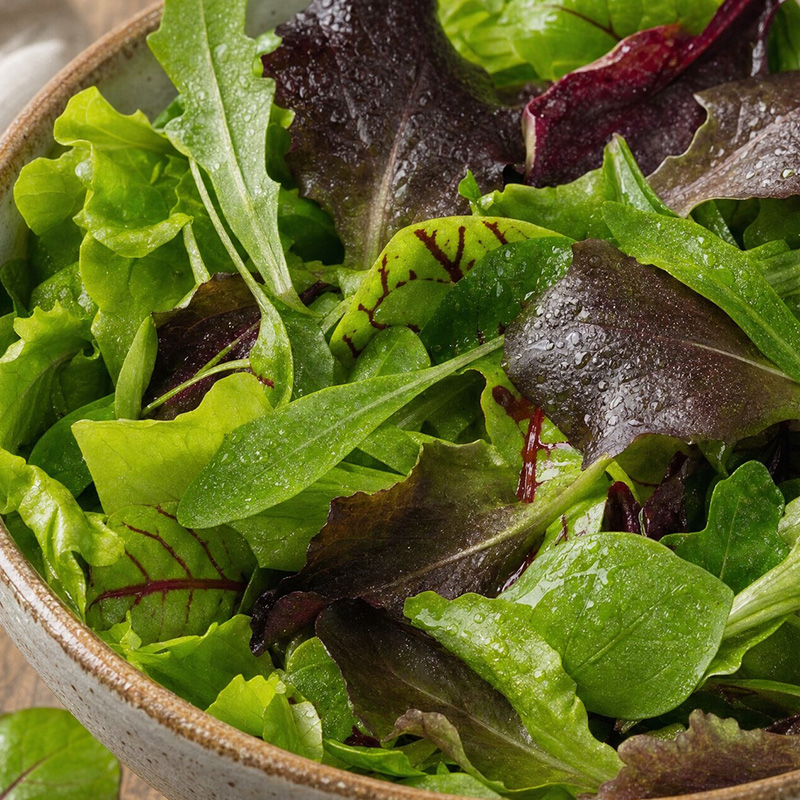
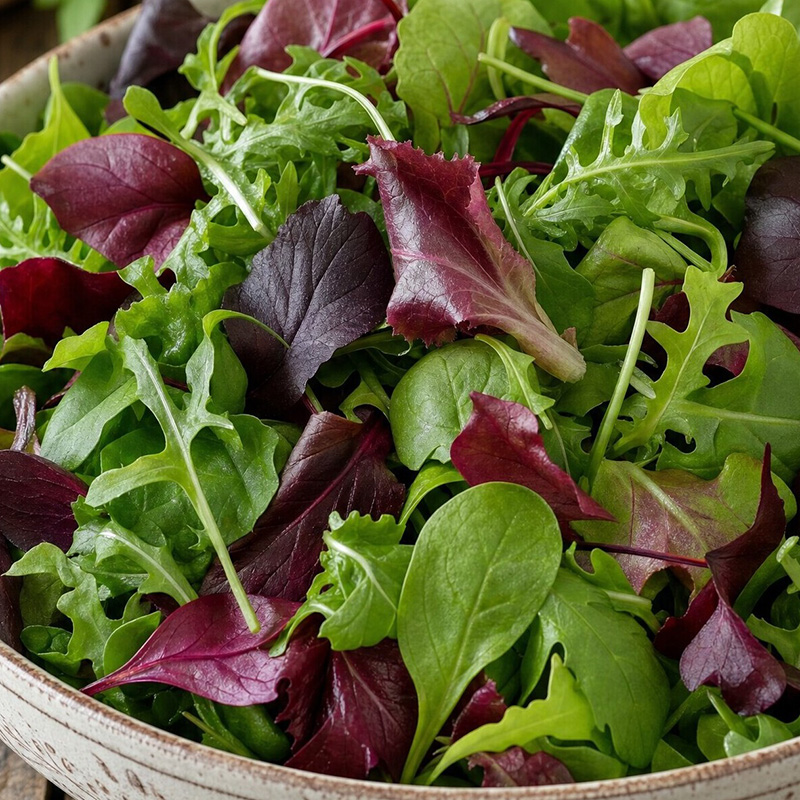
A lively, lemon kissed perennial that brings instant brightness to the bowl. Citrus Sorrel produces neat, tender baby leaves with a naturally zesty flavour — a refreshing twist that lifts salads, sandwiches, and summer plates without any effort. Its compact habit and reliable regrowth make it a delight for home gardeners, especially those who enjoy harvesting little and often.
Easy to grow, wonderfully productive, and already catching attention in modern kitchens, this “lemon spinach” is poised to become a favourite for anyone seeking a vibrant, citrus forward green. Perfect for gardeners who love something a bit different yet beautifully simple to succeed with.
How to Grow Sorrel from Seed
There are three types of Sorrel suitable for kitchen gardens. Broad-Leaf Sorrel, also known as Common or Garden Sorrel, with large arrow-shaped leaves. The young, tender leaves have a reddish tinge and are very flavoursome, larger leaves are better cooked like spinach. French Sorrel has much smaller leaves that don't grow large enough to become tough and has a milder, distinctly lemony flavour. Red Veined Sorrel is the most attractive Sorrel.
Sorrel prefers a sunny position but doesn’t like to be hot and dry, so avoid full sun positions in very hot, arid areas.
Sorrel seeds can be sown at any time but are best sown in spring once the temperature warms a little or in the autumn for over-wintering.
Sow the seeds into small pots or seed trays. Germination times are variable but in general should be expected with 3 to 21 days. Allow the seedlings to grow up to 4 inches tall before transplanting into individual 3 inch pots and grow on in a greenhouse or cold frame until they are ready for to be transplanted into the vegetable garden. Ideally Sorrel should be planted out in the late spring, spaced 30cm (1ft) apart and planted to the same depth as in their original containers. Water well until established.
Like spinach, when Sorrel starts to form flowering shoots the leaves become tougher and have less flavour, so cut off flowering stems as soon as they appear. To guarantee a constant supply of young leaves, lightly harvest the plants on a regular basis throughout the main growing season.